All Posts By

North Coast Forklifts

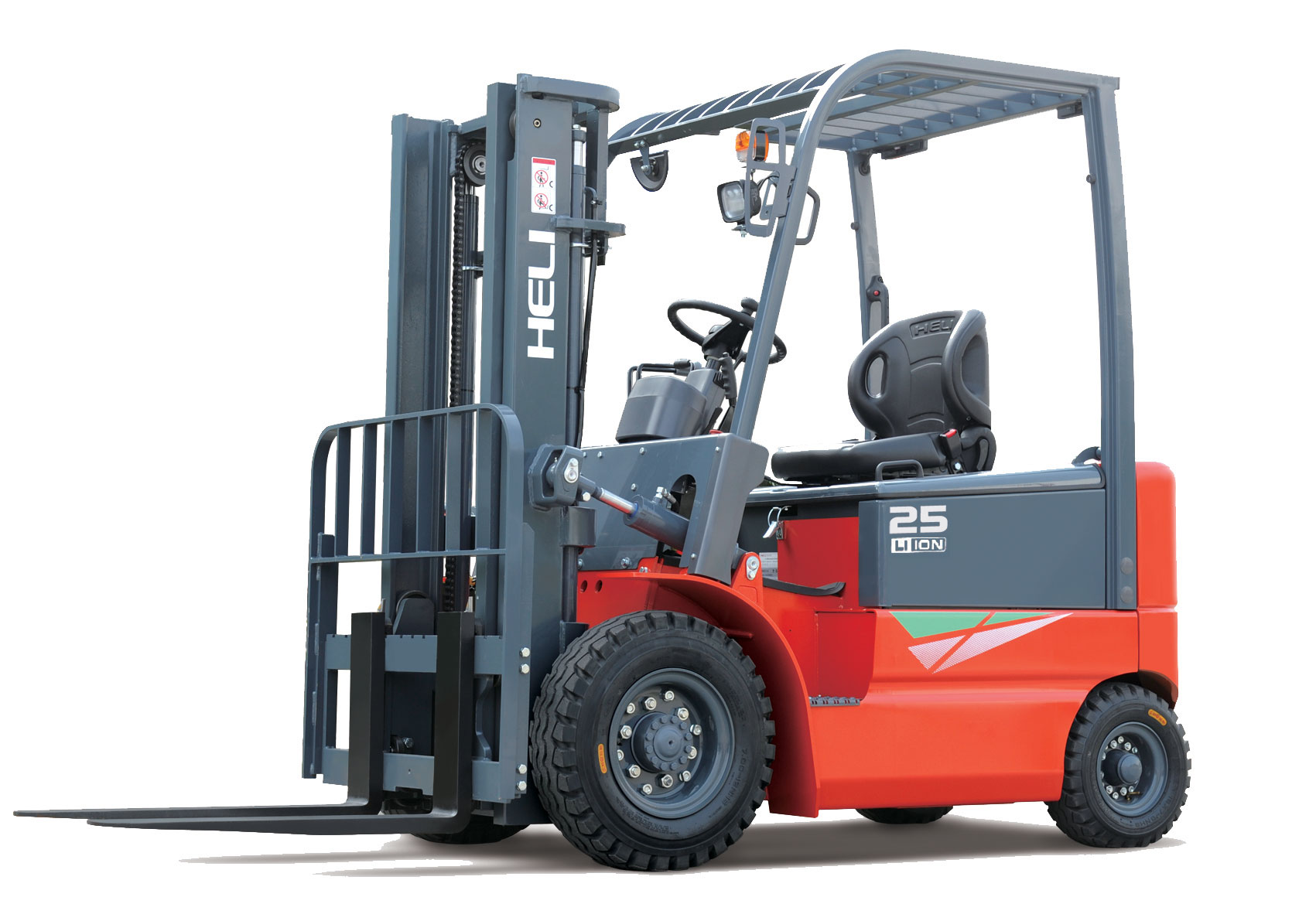
HELI vs Yale Forklifts

HELI vs Yale Forklifts: Which Brand Is Better for Your Business?

By Forklifts, Heli

Key Takeaways:

  • HELI and Yale both offer strong forklift options, but the better choice depends on the exact model and site requirements.
  • HELI may suit businesses looking for broad power choices, value-focused equipment, rough-terrain options and heavy-duty models.
  • Yale may suit businesses that prioritise operator comfort, established handling design and new or reconditioned equipment options.
  • The right forklift should be selected based on load weight, lift height, surface type, aisle space, operating hours and support needs.
  • Comparing brand reputation alone can lead to the wrong decision if the model does not match the actual work.
  • Hire, lease, rent-to-own and purchase options should be compared separately from the forklift brand itself.
  • North Coast Forklifts can help Queensland businesses compare HELI and Yale forklifts against the same operating brief.

Neither HELI nor Yale is the better forklift brand for every business. HELI may suit buyers who want a broad choice across electric, LPG, diesel, rough-terrain and heavy-duty machines with a strong value focus. Yale may suit businesses that prioritise operator-focused design, established electric and internal-combustion choices, and access to new, used or reconditioned units. The final decision should be made on the exact model, load, site, operating hours and support plan.

North Coast Forklifts supplies both brands in Queensland. Its current website range gives businesses a practical way to compare models, hire options, finance and servicing through one local supplier.

HELI vs Yale at a Glance

Decision Area HELI Yale
Range Shown by North Coast Forklifts Electric, LPG or dual fuel, diesel, rough-terrain, heavy-duty and container-handling equipment. Electric and internal-combustion units, including three-wheel electric, reach, diesel and LPG examples.
Typical Buyer Priority Broad model choice and cost-conscious access to new equipment. Operator comfort, established engineering and new or reconditioned options.
Indoor Work HELI electric models and pallet equipment are available for warehouse tasks. The site lists a Yale ERP030 three-wheel electric forklift and a Yale MR16 sit-and-reach unit.
Outdoor Work Diesel, dual-fuel and rough-terrain models are listed, including a Rough Terrain 3T and heavy-duty diesel classes. The site lists diesel and LPG counterbalance examples for outdoor or mixed applications.
Current Ownership Pathways Purchase, hire, lease, rent-to-own and fully maintained rental through North Coast Forklifts. Purchase, hire, lease, rent-to-own and fully maintained rental through North Coast Forklifts.
Service Support Mobile service, workshop repair, parts, tyres, batteries and recovery through North Coast Forklifts. Parts supply, mobile service, workshop repair and compliance support through North Coast Forklifts.

Where HELI May Be the Better Fit

You Need a Broad Choice of Power Types and Capacities

The North Coast Forklifts HELI range lists electric, LPG, dual-fuel, diesel, rough-terrain and heavy-duty equipment. Current examples include a Rough Terrain 3T, CPCD internal-combustion ranges, a 7-tonne diesel forklift and an empty-container stacker.

This breadth can help a business standardise more of its fleet under one brand while using different machines for warehouse, yard, construction or heavy lifting work. Availability and specifications must still be checked for each model.

You Want a New Electric Counterbalance Forklift

The listed HELI G2 Series 1.5–2T AC electric forklift has rated load options from 1.5 to 2 tonnes, two-stage or three-stage container mast choices from 3300 mm to 6500 mm, tilt, side-shift, solid or pneumatic tyres and a 12-month warranty. North Coast Forklifts also lists three-wheel configurations and battery capacities up to 720 on the product page.

This type of unit may suit warehouse operations that need quiet electric handling, compact turning and occasional configuration choices. The final mast, battery, tyre and capacity selection should be confirmed against the site and shift.

You Need Rough-Terrain or Heavy-Duty Options

HELI has a stronger visible presence in the North Coast Forklifts range for rough-terrain and high-capacity equipment. The listed HELI 7-tonne diesel unit has a 7000 kg rated capacity, 600 mm load centre, tilt, side-shift, fork positioning and solid or pneumatic tyre options. The site also lists a HELI empty-container stacker with model-dependent lifting heights up to 19 metres.

These are specialised machines. They should not be treated as direct alternatives to a standard 2.5-tonne warehouse forklift. Site access, transport, ground conditions and the exact load must be assessed before selection.

Where Yale May Be the Better Fit

Operator Comfort Is a Major Priority

The North Coast Forklifts Yale range describes Yale forklifts as having strong mast design, ergonomic operator cabins, intuitive controls, electric and internal-combustion choices, and safety systems that vary by model. These points may matter where operators spend long shifts on the machine or complete repeated precision movements.

Comfort should be assessed through a trial rather than assumed from the brand name. Seat adjustment, visibility, entry, control layout, vibration and turning effort can feel different to each operator and model.

You Want New, Used or Reconditioned Choices

North Coast Forklifts lists new and reconditioned Yale forklifts and states that used units may be rebuilt, repainted, repaired and serviced. Current examples on the page include a Yale ERP030 three-wheel electric forklift, a Yale MR16 sit-and-reach, a 2.5-tonne GDP2.5TK diesel unit with side-shift and fork positioner, and a GLP25TK used forklift with side-shift and fork positioner.

A used Yale may suit a business seeking a known model at a lower upfront cost, but condition matters more than age alone. Review operating hours, service history, battery condition, mast wear, tyres, leaks, attachments and the work completed during reconditioning.

Parts and Ongoing Support Matter More Than the Lowest Quote

The Yale page states that North Coast Forklifts provides genuine parts support, servicing and technical assistance. This can be important for a business that already operates Yale units and wants simpler parts, operator familiarity and maintenance planning across the fleet.

Compare the Exact Models, Not the Brand Reputation

A HELI electric warehouse forklift and a Yale diesel counterbalance forklift are designed for different work. Comparing the badges without matching the model to the job can lead to the wrong conclusion.

Use the same operating brief for both quotes:

  • Maximum load weight and load dimensions.
  • Load centre and any off-centre or long loads.
  • Maximum lift height and required residual capacity.
  • Aisle width, turning area, doorway height and container access.
  • Indoor and outdoor operating percentages.
  • Concrete, damaged pavement, gravel or rough-ground conditions.
  • Daily hours, number of shifts and charging or refuelling access.
  • Required attachments, including side-shift or fork positioner.
  • Expected service response, parts availability and replacement-hire plan.

HELI vs Yale for Common Queensland Applications

Application Likely Direction Why
Tight Warehouse with Smooth Floors Compare HELI three-wheel electric and Yale ERP030 three-wheel electric, subject to exact specifications. Both brands have electric choices listed by North Coast Forklifts. Turning space, battery duty and mast requirements should decide the model.
High Indoor Racking A Yale MR16 sit-and-reach or another suitable reach model may be considered. Reach equipment is intended for indoor racking and narrow-aisle work. It is not a general outdoor-yard substitute.
Warehouse and Sealed Yard Compare electric, LPG or dual-fuel models from both brands. The indoor percentage, ventilation, outdoor distance and charging or fuel arrangement should drive the choice.
Construction or Unsealed Yard HELI rough-terrain equipment may be a stronger starting point within the current site range. North Coast Forklifts lists a HELI Rough Terrain 3T and hires all-terrain masted forklifts.
Heavy Outdoor Handling HELI diesel and heavy-duty models may offer more visible choices in the current range. The website lists HELI diesel classes up to heavy-duty and container-handling equipment.
Budget-Controlled Replacement Compare a used or reconditioned Yale with suitable used HELI stock. Condition, service history, suitability and total repair risk are more important than the badge alone.

Ownership and Hire Options Are the Same Decision Layer

North Coast Forklifts offers both brands through purchase, rental, leasing and rent-to-own options. A business may prefer one brand but still choose hire because the workload is temporary. Another business may buy a used unit because daily utilisation is stable and it can manage maintenance.

Compare the machine and the agreement separately. Review service inclusions, breakdown response, transport, damage terms, warranty, tyres, battery responsibility and whether replacement equipment is available.

Service History Can Matter More Than Brand

A well-maintained forklift that suits the load can provide a better result than a poorly maintained unit from a more familiar brand. Ask for service records, repair details and the current condition of the mast, carriage, forks, hydraulics, tyres, brakes, steering, battery or engine.

North Coast Forklifts provides forklift repairs and servicing for multiple makes and models, including parts, electrical diagnostics, batteries, tyres, LPG certification and recovery. This support can reduce the operational difference between brands when the local service plan is strong.

Questions to Ask Before Choosing HELI or Yale

  • Which exact model can lift the load at the required height with the chosen attachment?
  • Can the machine travel safely across every surface on the route?
  • How long will the battery, fuel or duty cycle support the normal shift?
  • Can operators see the load, fork tips and travel route clearly?
  • Which parts are normally held locally, and what is the expected response for a breakdown?
  • What work has been completed on a used or reconditioned forklift?
  • What is included in the warranty, rental or maintenance agreement?
  • Can the business trial or hire the model before making a long-term commitment?

The Practical Verdict

Choose HELI when its exact model gives the required capacity, power type and site suitability at a sensible total cost. Its visible strengths in the North Coast Forklifts range are broad power choices, electric warehouse equipment, rough-terrain units and heavy-duty machines.

Choose Yale when its exact model provides the preferred operator environment, handling performance and fleet fit. Its visible strengths in the current range include electric, reach, diesel and LPG choices, along with new, used and reconditioned options.

The better forklift is the one that completes the work safely, fits the site, remains supportable and costs less to operate over the planned ownership or hire period. North Coast Forklifts can compare both brands against the same operating brief across Brisbane, the Gold Coast and the Sunshine Coast.


Frequently Asked Questions

Is HELI cheaper than Yale?

Prices vary by model, age, capacity, mast, battery or engine, attachments and condition. North Coast Forklifts describes HELI as cost-effective, but a direct brand-wide price claim should not be made without comparing current quotes for equivalent machines.

Which brand is better for warehouse use?

Both brands have warehouse options. HELI has listed electric counterbalance models, while Yale has listed three-wheel electric and sit-and-reach units. The aisle, lift height, load, shift and charging arrangement should decide the model.

Which brand is better for outdoor work?

Both brands have internal-combustion options, but the current North Coast Forklifts range shows a wider visible HELI choice for rough-terrain and heavy-duty work. The exact ground, load and duty cycle still need assessment.

Can I hire HELI or Yale before buying?

North Coast Forklifts offers short-term and long-term hire, as well as leasing and rent-to-own. Current fleet availability should be confirmed for the required brand and specification.

Common Material Handling Mistakes That Cost Businesses Money

Common Material Handling Mistakes That Cost Businesses Money

By Forklifts

Key Takeaways:

  • Material handling mistakes can increase costs through stock damage, downtime, urgent repairs and missed dispatch timeframes.
  • Choosing a forklift by tonnage alone can lead to poor performance, instability and higher operating costs.
  • Load centre, lift height, attachments, surface condition and aisle space should be checked before selecting a forklift.
  • Pre-start checks and planned servicing help prevent costly breakdowns during busy shifts.
  • Wrong tyres, unsafe attachments and poor pallet preparation can create avoidable damage and safety risks.
  • Warehouse layout should support safe movement, staging, receiving and dispatch, not only storage capacity.
  • North Coast Forklifts can help businesses identify whether costs are linked to equipment, layout, maintenance or handling processes.

Material handling costs rise when a business uses the wrong equipment, allows unsafe shortcuts or waits for a breakdown before acting. The direct repair bill is only part of the loss. Damaged stock, delayed dispatch, idle workers, urgent hire, missed customer timeframes and injury risk can make a small operating mistake expensive.

The most useful approach is to examine the full movement of materials: receiving, unloading, storage, picking, staging and dispatch. Each handover point can create avoidable cost when the load, route, equipment and operator controls do not match.

1. Choosing a Forklift by Tonnage Alone

A forklift is often selected because its nominal capacity appears to exceed the load weight. This overlooks load centre, load dimensions, lift height, attachment weight, mast arrangement, aisle space and surface condition.

The cost appears later through slow handling, damaged racking, unstable loads, tyre wear or the need to hire another machine. A forklift that lifts a compact pallet at floor level may not retain the same capacity with a long load or at full mast height.

Better approach: Provide the supplier with the heaviest load, load dimensions, highest lift, route, surface, doorway clearance and attachments. Confirm the rated capacity for the full configuration, not only the model name.

2. Overloading or Ignoring the Load Centre

Overloading can cause instability, loss of load and tip-over. A 2026 Workplace Health and Safety Queensland incident alert again noted overloading as a factor that can increase forklift tip-over risk. The load can also exceed safe limits when its centre of gravity sits farther forward than the data plate assumes.

Better approach: Operators should check the data plate, identify the load centre and confirm how attachments change capacity. Managers should stop work when the load weight or dimensions are unknown rather than relying on judgement.

3. Treating Pedestrian Separation as a Painted Line

Floor markings alone do not prevent a collision. Blind corners, doorways, loading docks, reversing areas and shared access points need physical and procedural controls. Electric forklifts can be quieter, while bulky loads can block the operator’s forward view.

Better approach: Redesign the route to separate people and forklifts where reasonably practicable. Use barriers, controlled crossings, mirrors, warning devices, speed controls and clear right-of-way rules. Consult operators and workers because they see near misses that managers may not observe.

4. Skipping Pre-Start Checks During Busy Periods

Busy shifts are when pre-start checks matter most. A damaged tyre, hydraulic leak, faulty warning device, loose fork or battery issue can turn into a breakdown after the forklift has entered a loaded aisle or dock area.

Better approach: Use a short documented check that covers the machine, attachment and work area. Faults should be reported, tagged and assessed before operation. The business should make it clear that dispatch pressure does not override safety controls.

5. Running Forklifts Until They Fail

Reactive maintenance often appears cheaper because the business avoids a planned service interruption. The true cost can include emergency labour, recovery transport, unavailable parts, damaged components and urgent forklift hire.

Better approach: Schedule maintenance by operating hours, usage and condition. Review repeated faults and decide whether repair, rebuild, trade-in or replacement provides the lower operating risk. North Coast Forklifts provides mobile forklift repairs and servicing, electrical diagnostics, battery replacement, parts, tyre work and recovery using its tilt-tray service.

6. Using the Wrong Tyres for the Surface

Tyres influence traction, stability, vibration, floor marking and component wear. A tyre chosen for a smooth warehouse floor may not suit broken pavement or outdoor debris. A pneumatic-style option may suit some outdoor conditions but introduces different inspection and damage considerations.

Better approach: Map every surface the forklift crosses and discuss load, speed, debris, gradients and indoor floor requirements with the supplier. Inspect tyres for damage and wear as part of the pre-start process.

7. Fitting an Attachment Without Rechecking Capacity

Side-shifts, fork positioners, jibs, cages and other attachments can improve handling, but they can also change load centre, visibility and rated capacity. An attachment that fits the carriage is not automatically suitable for the forklift or task.

Better approach: Use approved attachments, obtain the required capacity information and train operators for the specific device. Workplace Health and Safety Queensland states that forklifts should be used only for the purpose for which they were designed.

8. Lifting People with Forks or an Unapproved Platform

Raising a worker on bare forks, a pallet or an improvised cage creates a serious fall and crushing risk. It can also expose the business to stoppages, investigation and legal consequences.

Better approach: Use the correct access equipment or an approved work platform that is suitable for the forklift and task. Follow the applicable plant controls, attachment requirements and fall-protection procedures.

9. Poor Pallet and Load Preparation

Broken pallets, uneven stacking, loose wrapping and overhanging goods make a stable lift difficult. Operators may spend extra time restacking, or the business may lose stock through falls and impact damage.

Better approach: Set pallet acceptance rules, remove damaged pallets from service and secure loads before movement. Place loads against the carriage or backrest where applicable and carry them close to the ground during travel, in line with Queensland forklift guidance.

10. Designing the Warehouse Around Storage Only

More pallet positions do not always create a more productive warehouse. Narrowed aisles, poor staging areas and blocked turning points can increase travel time and contact damage. Operators may need repeated movements to complete one put-away task.

Better approach: Measure travel time, queueing and double handling. Provide space for receiving, inspection, staging and dispatch. Confirm that the forklift, load and racking layout work together before adding more storage positions.

Where North Coast Forklifts Fits

North Coast Forklifts supports businesses across Brisbane, the Gold Coast and the Sunshine Coast with new and used forklift sales, short-term and long-term hire, mobile servicing, workshop repairs, tyres, batteries, parts and machinery recovery. The company states that its used equipment is tested and repaired to relevant Australian forklift and LPG standards before sale.

The useful first step is not to request the cheapest machine. Provide the load, route, hours, lift height, floor condition and current problems. This allows the supplier to identify whether the cost is being created by the forklift, the attachment, the site layout, maintenance or the handling process.

Frequently Asked Questions

What is the most common costly forklift mistake?

Using a machine that does not match the load or site is one of the most costly mistakes because it can create delays, damage, instability and higher wear across every shift.

How often should a forklift be serviced?

The correct interval depends on the machine, operating hours, environment and manufacturer requirements. Use the service schedule for the exact forklift and shorten inspection intervals where conditions are demanding.

Does every forklift operator need a licence in Queensland?

Forklift operation generally requires the relevant Queensland high-risk work licence, unless a specific lawful exception applies, such as authorised training under the required supervision. Check current Workplace Health and Safety Queensland guidance.

Can hiring a replacement forklift reduce breakdown cost?

Yes. A suitable replacement can keep loading, production or dispatch moving while the owned machine is repaired. The replacement specification should be recorded in advance so the business does not accept an unsuitable machine during an emergency.


Best Forklifts for Mixed Indoor and Outdoor Use in Queensland

Best Forklifts for Mixed Indoor and Outdoor Use in Queensland

By Forklift Brands

Key Takeaways:

  • The best forklift for mixed indoor and outdoor use depends on surface type, route, load and daily operating hours.
  • Electric forklifts suit mainly indoor work with short use on smooth, sealed outdoor surfaces.
  • LPG or dual-fuel forklifts can suit regular movement between ventilated indoor areas and sealed yards.
  • Diesel forklifts are usually better for predominantly outdoor operations.
  • Rough-terrain forklifts are better for gravel, uneven ground, construction sites and unsealed yards.
  • Tyre type, mast height, load centre, gradients and Queensland weather can all change the correct forklift choice.

For mixed indoor and outdoor work in Queensland, the best forklift depends on where it spends most of its time and what surface it must cross. An electric counterbalance forklift can suit mainly indoor work with short trips onto smooth, dry pavement. LPG or dual-fuel models often suit sealed indoor and outdoor routes where ventilation and fuel handling are properly managed. Diesel machines are generally better for predominantly outdoor work, while a rough-terrain forklift is the correct direction for unsealed, uneven or construction-site conditions.

The fuel type is only one part of the choice. Load weight, lift height, doorway clearance, turning space, tyre type, gradients and wet-weather exposure can change which forklift is safe and productive.

Start with the Route, Not the Brand

Walk the full travel path before selecting a forklift. Begin at the pickup point, follow the route through doors and ramps, inspect the outdoor section and finish at the highest placement point. Record the narrowest aisle, lowest overhead clearance, steepest grade and roughest surface.

A forklift that works well inside a warehouse may lose stability, traction or ground clearance on gravel. A heavy outdoor machine may be difficult to turn inside a tight warehouse and may create unnecessary noise or exhaust concerns.

Best Forklifts for Indoor and Outdoor Use

Forklift Type Best Fit Main Checks
Electric Counterbalance Mostly indoor work with occasional travel on smooth, sealed outdoor surfaces. Battery runtime, charging access, rain exposure, tyre choice, gradients and outdoor surface condition.
LPG or Dual Fuel Regular movement between ventilated indoor areas and sealed outdoor yards. Ventilation, cylinder storage and handling, current gas certification, fuel access and site rules.
Diesel Counterbalance Work that is mainly outdoors, with limited indoor access where site controls allow it. Exhaust exposure, noise, turning space, floor loading, tyre choice and doorway clearance.
Rough-Terrain or All-Terrain Forklift Building sites, event grounds, unsealed yards and uneven outdoor surfaces. Ground condition, slope, rated capacity, stabilising limits, transport access and indoor manoeuvrability.
Reach Truck High indoor racking and narrow aisles rather than general outdoor travel. Floor smoothness, aisle width, lift height and whether loads need to cross outdoor ground.

Which Forklift Is Best for Indoor and Outdoor Use

Option 1: Electric Forklifts for Mainly Indoor Work

Electric forklifts are quiet and produce no exhaust emissions at the point of use, which makes them a practical choice for warehouses and enclosed work areas. They can also handle short outdoor sections when the surface is sealed, the route is suitable and the machine is protected from conditions outside its design limits.

One current example on the North Coast Forklifts website is the HELI G2 Series 1.5–2T AC electric forklift. The listed configuration includes load capacities from 1.5 to 2 tonnes, two-stage or three-stage container masts from 3300 mm to 6500 mm, tilt and side-shift, solid or pneumatic tyres and a 12-month warranty. The website also lists a three-wheel configuration, which may assist manoeuvrability where the aisle and turning area are limited.

Electric is less suitable when the forklift spends long periods on rough ground, works far from charging access or cannot be kept within the battery duty cycle. Outdoor rain, standing water, steep grades and heat around the charging area also need site-specific assessment.

Option 2: LPG or Dual-Fuel Forklifts for Regular Indoor and Outdoor Movement

An LPG or dual-fuel counterbalance forklift can suit businesses that regularly move loads between a warehouse and a sealed yard. It avoids battery charging downtime and can refuel quickly, while remaining more suitable for mixed routes than a large outdoor-only machine in many operations.

North Coast Forklifts lists HELI forklifts in LPG and dual-fuel configurations, including H3 Series models across several capacity classes. It also lists Yale forklifts in electric and internal-combustion configurations.

The site must still manage ventilation, cylinder storage, refuelling and current gas certification. North Coast Forklifts states that it provides on-site LPG certification and reminders as part of its service support. Confirm the correct certification requirements for the specific unit and workplace.

Option 3: Diesel Forklifts for Predominantly Outdoor Use

Diesel forklifts suit demanding outdoor work where the machine travels longer distances, handles heavier loads or operates through sustained shifts. They are less suitable for enclosed indoor areas because the business must manage exhaust and noise exposure.

The North Coast Forklifts range includes HELI diesel models across standard and heavy-duty classes. One listed HELI 7-tonne diesel unit has a rated capacity of 7000 kg, a 600 mm load centre, tilt, side-shift, fork positioning, a 4.5 m two-stage mast and solid or pneumatic tyre options. This type of capacity is aimed at heavy outdoor handling rather than tight mixed-use warehouse work.

Option 4: Rough-Terrain Forklifts for Unsealed Ground

A standard warehouse forklift should not be selected for a route that includes deep gravel, soft soil, rutted ground or active construction areas. North Coast Forklifts supplies 4×4 rough-terrain forklifts and lists a HELI Rough Terrain 3T model within its brand range. The hire fleet also includes all-terrain masted forklifts and telehandlers for suitable jobs.

Rough-terrain equipment may be the correct choice outside but can be too large or unsuitable for indoor aisles. Some businesses need two machines rather than forcing one forklift to work in incompatible conditions. A warehouse electric unit and a hired rough-terrain forklift for occasional outdoor projects can be safer and more efficient than one compromise machine.

Tyres Can Change the Result

Tyre choice affects traction, ride, stability, floor marking and resistance to damage. The HELI G2 electric product page lists solid or pneumatic tyre options, and the HELI 7-tonne diesel listing also offers solid or pneumatic tyres. The correct choice depends on the exact surface, debris risk, travel speed, load and indoor floor requirements.

Do not select a tyre only because it lasts longer. A tyre that is suitable for a clean concrete warehouse may perform poorly on an uneven yard. Ask the supplier to inspect or clearly understand both surface types.

Queensland Conditions to Include in the Assessment

  • Heavy rain can change a paved route through standing water, slippery loading areas and reduced visibility.
  • Heat can affect operator comfort, battery charging conditions and the way equipment is stored between shifts.
  • Outdoor yards may contain broken pavement, loose gravel, drainage channels and ramp transitions that are not obvious from a site plan.
  • Coastal businesses should consider cleaning, storage and corrosion control where equipment is exposed to salt-laden air.
  • Storm preparation may require a safe indoor storage position and a plan for moving equipment before severe weather.

Match the Forklift to the Load and Building

Rated Capacity and Load Centre

Use the forklift data plate and supplier guidance for the exact load, attachment and lift height. A load that is longer or has a shifted centre of gravity can reduce the safe working capacity even when its total weight appears to be within the nominal rating.

Mast and Lift Height

Measure the highest placement point and the lowest doorway, beam or container clearance. A higher mast arrangement can change closed height and residual capacity. The HELI G2 electric listing includes mast options from 3300 mm to 6500 mm, but the correct choice must be checked against the full operating requirement.

Aisles and Turning Space

Map the load length as well as the forklift dimensions. A three-wheel electric forklift may turn tightly, but the carried pallet can still strike racking or block the operator’s view. Test the route with the normal load where practical.

Attachments

Side-shift and fork positioning can reduce manual adjustment and help with varied pallet sizes. Any attachment can affect capacity and handling. The business must use an approved attachment, update the capacity information where required and train operators in the correct use.

How North Coast Forklifts Supports Mixed-Use Operations

North Coast Forklifts supplies and hires electric, diesel, LPG, dual-fuel and rough-terrain equipment across South East Queensland. Its range includes HELI forklifts, Yale forklifts, pallet jacks, reach equipment, all-terrain forklifts and telehandlers. The company also provides wet hire, transport, mobile repairs and long-term rental.

A useful enquiry should include site photos, route measurements, load details, lift height and expected daily hours. Browse the current forklift range or discuss a short-term hire before committing to a machine for mixed conditions.

Frequently Asked Questions

Can an electric forklift be used outdoors?

An electric forklift may be suitable for limited outdoor use on smooth, sealed surfaces when the manufacturer and supplier confirm the conditions are suitable. Rain, standing water, gradients, rough ground and charging access must be assessed.

Is LPG better than diesel for indoor and outdoor use?

LPG may be more practical for regular movement between ventilated indoor areas and sealed yards. Diesel generally suits work that is mainly outdoors. The correct choice depends on site controls, load, shift length and operating route.

Do I need a rough-terrain forklift for gravel?

Loose, uneven or soft gravel can make a standard warehouse forklift unsuitable. The depth, compaction, slope and drainage need assessment. A rough-terrain forklift or telehandler may be required.

Should one forklift handle every task?

Not always. A business with tight indoor racking and occasional rough outdoor work may achieve a better result with a dedicated indoor forklift and short-term hire for the outdoor task.

Forklift Hire vs Buy

Forklift Hire vs Buy: A Practical 5-Year Cost Comparison

By Forklifts

Key Takeaways:

  • Forklift hire is often better for seasonal, temporary or changing business needs.
  • Buying a forklift can offer better long-term value when the machine is used consistently every day.
  • A proper five-year cost comparison should include more than the purchase price or weekly hire rate.
  • Maintenance, tyres, batteries, breakdowns, transport, finance and downtime can significantly affect total cost.
  • Short-term hire can help businesses avoid paying for an underused forklift during quieter periods.
  • Owned forklifts may retain trade-in or resale value at the end of five years.
  • North Coast Forklifts offers hire, leasing, rent-to-own and purchase options to suit different business needs.

For a Queensland business comparing forklift hire vs buy options, the better choice depends on how often the machine will work, how predictable the workload is and who will carry the maintenance risk. Forklift hire often suits seasonal, project-based or changing operations. Buying can make more sense when the same forklift is used consistently and the business can manage servicing, repairs and eventual resale.

A useful five-year comparison must look beyond the purchase invoice or weekly hire charge. It should include downtime, transport, tyres, batteries, finance, compliance work, replacement equipment and the value left in an owned machine at the end of year five.

The Quick Answer: Hire for Flexibility, Buy for Consistent Use

Hiring usually gives the business better cost control when demand changes. Buying usually gives better long-term value when utilisation is high, the correct machine specification is unlikely to change and the business has the cash flow to carry ownership costs.

There is also a middle ground. North Coast Forklifts provides short-term and long-term rental, leasing and rent-to-own arrangements, as well as outright purchase. Its rent-to-own option is available over two to five years, subject to approval and agreed terms.

What Belongs in a 5-Year Forklift Cost Comparison?

The comparison should use total cost of use, not one headline figure. Include every cost that the forklift creates or prevents during the five-year period.

Cost Area Hiring Buying
Initial Payment Bond, first hire period, delivery and any agreed setup costs. Purchase deposit or full payment, finance establishment costs and delivery.
Regular Payments Weekly or monthly rental under the hire agreement. Finance repayments where applicable, or the opportunity cost of cash used for purchase.
Maintenance Often included in a fully maintained rental. Confirm exclusions. The owner budgets for scheduled servicing, repairs, parts and labour.
Tyres and Batteries Responsibility depends on the hire agreement and damage conditions. The owner carries wear, replacement and charging-system costs.
Breakdowns The supplier may organise repair or replacement, depending on the agreement. The owner pays for repairs and may need temporary hire during downtime.
Transport Delivery, collection and transfers may be charged for each movement. Delivery is normally a purchase cost; later transport is paid when needed.
End of Year Five The machine is returned unless the agreement includes ownership. The business retains a forklift with resale or trade-in value.

A Year-by-Year View

Period What to Check When Hiring What to Check When Buying
Year 1 Delivery, hire term, included service, usage limits, damage terms and whether the machine is correctly matched to the job. Purchase price, finance structure, commissioning, operator familiarisation, first services and whether the specification will remain suitable.
Year 2 Whether utilisation has become stable enough to justify another arrangement. Scheduled servicing, tyre wear, battery condition on electric units and any attachment maintenance.
Year 3 Rate review, machine condition, replacement options and the cost of extending the agreement. Repair history, reliability, parts availability and whether rising downtime changes the ownership case.
Year 4 Whether the hired machine still matches load, lift height, aisle and surface requirements. Major wear items, expected remaining life and the likely cost of keeping the forklift reliable.
Year 5 Return conditions, collection cost and whether a newer machine is needed for the next term. Trade-in or resale value, replacement timing and the cost of retaining the machine beyond five years.

How to Build Your Own Five-Year Calculation

Step 1: Measure Real Utilisation

Record operating hours, working days and peak periods. A forklift that works every weekday has a different business case from one used for two container unloads each month. Include waiting time and standby requirements because access to a machine can have value even when the hour meter is not moving.

Step 2: Define the Work Before Comparing Prices

Write down the rated load required, load centre, lift height, aisle width, indoor or outdoor use, floor condition, tyre requirement, attachment needs and expected shift length. A lower-cost forklift that does not suit the work can create extra handling, delays and safety risks.

Step 3: Price the Same Specification

Compare a hired machine and a purchased machine that can complete the same work. Do not compare a basic warehouse unit with a rough-terrain forklift or a low-mast truck with a high-lift machine. Ask each supplier to state what is included so the comparison is consistent.

Step 4: Add Downtime Cost

Estimate the cost of delayed loading, idle employees, missed dispatch windows and emergency equipment hire. Downtime can outweigh a small difference in the original machine price. North Coast Forklifts provides mobile servicing, workshop repairs, recovery transport and hire options that may help a business plan for breakdown periods.

Step 5: Credit the Remaining Value of an Owned Forklift

At the end of year five, an owned forklift may still have trade-in or resale value. Use a conservative estimate based on condition, hours, service records and current demand. Do not assume the original purchase price will be recovered.

Three Common Business Scenarios

Seasonal Warehouse or Short Contract

A warehouse that needs an extra forklift for a busy quarter usually benefits from short-term hire. The business avoids holding an underused machine for the rest of the year and can choose a different capacity when the next peak period arrives.

Daily Distribution or Manufacturing Work

A site that runs the same handling task each day may gain more value from purchase, lease or rent-to-own. Consistent use spreads the ownership cost across more productive hours. The business still needs a maintenance budget and a plan for replacement equipment during repairs.

Growing Business with Uncertain Demand

A long-term fully maintained rental can give a growing business predictable payments while it learns what capacity, fuel type and mast arrangement it needs. Once demand becomes stable, the business can compare purchase, leasing and rent-to-own with better operating data.

When Forklift Hire Is Usually the Better Fit

  • The workload is seasonal, temporary or linked to a contract with an uncertain end date.
  • The business needs extra capacity for container unpacking, events or a construction project.
  • The required forklift type may change as the site or product range changes.
  • The business wants a fully maintained arrangement and predictable operating payments.
  • A replacement machine is needed while an owned forklift is being repaired.

When Buying Is Usually the Better Fit

  • The forklift works consistently and is central to daily operations.
  • The business knows the correct capacity, mast, tyres, fuel type and attachments.
  • The site can manage maintenance planning and unexpected repair costs.
  • The machine is likely to remain suitable for more than five years.
  • The business wants to retain trade-in or resale value.

Get Help with Your Forklift Hire vs Buy Decision from North Coast Forklifts

North Coast Forklifts supplies new and used forklifts and provides short-term hire, long-term rental, leasing, rent-to-own and outright purchase options across Brisbane, the Gold Coast and the Sunshine Coast. The business also provides forklift servicing and repairs, parts support, recovery transport and wet hire with an operator.

Before requesting a quote, prepare the load weight, load dimensions, lift height, surface type, aisle width, expected hours and preferred term. This gives the team enough information to compare suitable forklift finance options rather than comparing machines that do not perform the same job.

Frequently Asked Questions

Is forklift hire cheaper than buying?

Hire can be cheaper for short, seasonal or uncertain work because the business pays for access without carrying long-term ownership costs. Buying can provide better value for consistent use, provided maintenance, downtime and replacement costs are managed.

What is included in a fully maintained forklift rental?

Inclusions depend on the agreement. Ask whether scheduled servicing, breakdown repairs, travel, tyres, batteries, damage, replacement equipment and transport are included or charged separately.

Can a business hire first and buy later?

Yes. North Coast Forklifts offers hire, leasing and rent-to-own pathways as well as outright purchase. Confirm whether payments contribute to ownership under the chosen agreement.

How many years should a forklift cost comparison cover?

Five years is a useful planning period because it captures more than the initial purchase or hire term. The business should also test shorter and longer periods when the expected project life or equipment replacement cycle is different.


Choosing Forklifts Based on Warehouse Layout- Deciding When to Hire vs Buy- Selecting Engine Type Based on Daily Hours

Choosing Forklifts Based on Warehouse Layout- Deciding When to Hire vs Buy- Selecting Engine Type Based on Daily Hours

By Forklifts

Key Takeaways: 

  • The warehouse layout directly determines the forklift size, type, and manoeuvrability you need 
  • Choosing the wrong forklift for your layout leads to congestion, damage, and safety risks 
  • Deciding when to hire vs buy a forklift depends on usage frequency, cash flow, and operational stability 
  • Forklift engine type should match daily operating hours, not just purchase price 
  • Electric forklifts suit indoor, high-usage environments, while LPG and diesel suit outdoor and mixed-use sites 
  • A simple self-assessment can help identify the most cost-effective forklift option 
  • Making the right choice early reduces downtime, damage, and long-term operating costs 

Introduction

Not all forklifts are suited to all warehouses. If your operation feels cramped, inefficient, or prone to damage, the forklift itself may be part of the problem. Understanding how to choose forklifts based on warehouse layout, knowing when to hire vs buy, and selecting the right engine type based on daily hours can significantly improve safety and productivity. This guide helps warehouse managers assess their needs clearly before making a forklift decision.

Why Warehouse Layout Matters When Choosing a Forklift?

Warehouse layout is one of the most overlooked factors in forklift selection. A forklift that performs well in one environment may struggle in another due to aisle width, turning space, racking height, and traffic flow.

Layouts with narrow aisles, tight corners, or high-density racking require forklifts with precise control and a tight turning radius. Larger forklifts may carry heavier loads but struggle to manoeuvre efficiently, leading to delays and damage. Understanding your layout before choosing equipment ensures the forklift supports workflow rather than restricting it. Selecting a forklift without considering aisle width, turning space, load requirements and daily operating hours can create avoidable safety and productivity problems. Our guide to material handling mistakes to avoid explains how incorrect equipment selection and poor planning affect warehouse performance.

Choosing Forklifts Based on Warehouse Layout

Different warehouse layouts demand different forklift characteristics. Selecting the right type improves efficiency and reduces risk. 

Narrow Aisle Warehouses 

Warehouses with limited aisle width require   forklifts designed for tight spaces. 

  • Compact forklifts with a smaller turning radius 
  • Reach trucks or narrow-aisle forklifts 
  • Electric forklifts for indoor use 

These forklifts improve manoeuvrability and reduce the risk of rack or pallet damage. 

Wide Aisle Warehouses 

Wide aisles offer more flexibility but still require the right balance of size and control. 

  • Counterbalance forklifts 
  • LPG or electric forklifts, depending on the environment 

These layouts enable faster movement while still benefiting from controlled handling. 

High-Racking Warehouses 

Warehouses with tall racking systems require forklifts with vertical reach. 

  • Reach trucks 
  • High-lift electric forklifts 

Using unsuitable equipment in high-racking environments increases instability and safety risks.

Deciding When to Hire vs Buy a Forklift

Deciding when to hire vs buy a forklift depends on how often the equipment is used and how stable your operation is. 

When Hiring Makes Sense 

Forklift hire is often the better option when: 

  • Usage is seasonal or short-term 
  • Workloads fluctuate 
  • Cash flow flexibility is important 
  • You want maintenance included 
  • You need a quick replacement during breakdowns 

Hiring reduces upfront costs and provides flexibility. 

When Buying Makes Sense 

Buying a forklift may be more cost-effective when: 

  • Usage is daily and consistent 
  • The forklift is central to operations 
  • Long-term costs are lower than hire 
  • You want full control over equipment availability 

Ownership suits stable operations with predictable workloads. 

Selecting Engine Type Based on Daily Hours

One of the most common mistakes businesses make is choosing a forklift based on upfront cost, without considering how daily usage affects performance, maintenance, and long-term running costs. Understanding your daily operating hours is one of the most reliable ways to choose the right forklift engine. 

Low Usage: Up to 2–3 Hours Per Day

For operations with light or occasional forklift use, such as small warehouses or intermittent loading tasks, heavy-duty engines are often unnecessary. 

In low-hour environments: 

  • Forklifts may sit idle for long periods 
  • Fuel efficiency is less critical than flexibility 
  • Maintenance intervals are spread out 

Moderate Usage: 3–6 Hours Per Day

This usage range is common in warehouses with steady but not constant material movement. 

At this level: 

  • Engine reliability becomes more important 
  • Refuelling or recharging downtime must be managed 
  • Heat buildup and wear begin to matter 

LPG forklifts are often well-suited for moderate daily hours, especially in mixed indoor and outdoor environments. Electric forklifts can also perform well if a charging infrastructure is in place. 

High Usage: 6+ Hours Per Day

High daily usage places continuous stress on forklift engines and components. In these environments, engine choice significantly affects operating costs and reliability. 

For high-hour operations: 

  • Electric forklifts often deliver the lowest long-term running costs 
  • Consistent performance is critical 
  • Heat, battery life, and cooling systems must be considered 

Using an engine not designed for high hours often results in: 

  • Frequent breakdowns 
  • Increased downtime 
  • Shortened equipment lifespan 
  • Higher total cost of ownership 

Outdoor and Heavy-Duty Use Considerations

For outdoor yards, uneven surfaces, or heavy loads, daily hours must be considered in the context of the environment. 

In these cases: 

  • Diesel forklifts may suit lower to moderate hours with heavy loads 
  • Prolonged high-hour diesel use increases fuel and maintenance costs 
  • Heat and humidity can further stress engines if usage is continuous 

Why Daily Hours Matter More Than Purchase Price

A cheaper forklift that runs all day can end up costing significantly more than a higher-priced forklift designed for that workload. Daily operating hours affect: 

  • Fuel or electricity costs 
  • Service frequency 
  • Component wear 
  • Breakdown risk 
  • Operator productivity 

Self-Assessment Questions to Guide Engine Selection

To determine the right engine type, ask: 

  • How many hours per day will the forklift realistically operate? 
  • Is usage consistent or does it spike during peak periods? 
  • Is the forklift mainly used indoors, outdoors, or both? 
  • Can downtime for charging or refuelling be managed easily?

Material Handling Done Right

Choosing the right forklift is not about buying the biggest machine or the cheapest option available. It’s about matching equipment to your warehouse’s day-to-day operations. Factors such as warehouse layout, hire vs. buy decisions, and engine type selection directly impact efficiency, safety, and long-term costs.

A forklift that doesn’t suit your aisle width, racking height, or traffic flow can quickly become a bottleneck. Likewise, committing to ownership when usage is irregular can tie up capital unnecessarily, while hiring for high daily usage may cost more over time. Engine type is equally important. Selecting an engine that doesn’t align with daily operating hours often leads to higher fuel or charging costs, increased maintenance, and avoidable downtime.

Unsure which forklift best suits your warehouse layout or daily usage

Get expert advice to assess your operation and choose the most cost-effective solution

Talk to the North Coast Forklifts team today.

Read More: What Is Material Handling- Types of Material Handling Equipment- Common Mistakes in Material Handling


FAQS

1. How do I know if my warehouse layout is limiting forklift efficiency?


If forklifts struggle to turn, frequently reverse, or clip pallets and racking, your layout may not be compatible with your current equipment. Narrow aisles, tight corners, or poor traffic flow often require more compact or specialised forklifts. Reviewing aisle width, racking height, and traffic patterns is the first step to improving efficiency.

2. What is the most common mistake when choosing a forklift for a warehouse?


The most common mistake is choosing a forklift based solely on price. Many businesses overlook layout constraints, daily operating hours, and engine suitability. This often leads to congestion, pallet damage, higher maintenance costs, and reduced productivity over time.

3. How do I decide between hiring or buying a forklift?


The decision depends on how often and how consistently the forklift is used. Hiring suits short-term, seasonal, or fluctuating workloads, while buying is usually more cost-effective for daily, long-term use. North Coast Forklifts helps businesses assess actual usage patterns before recommending hiring or purchasing.

4. Is forklift hire better for growing businesses?


Yes, forklift hire can be ideal for growing businesses. It offers flexibility, lower upfront costs, and access to maintenance and replacement support. Hiring allows enterprises to scale operations without committing capital too early.

5. How many hours per day justify buying a forklift instead of hiring?


As a general guide, if a forklift is used daily for long, consistent hours, buying may be more economical over time. However, this depends on maintenance costs, engine type, and operational stability. A usage assessment provides a clearer answer than hours alone.

6. What forklift engine type is best for indoor warehouses?


Electric forklifts are usually best for indoor warehouses. They produce no emissions, operate quietly, and perform well during long daily shifts. They are especially suitable for high-usage environments with charging infrastructure.

Get the Right Forklift for Your Operation 

Get expert advice to assess your operation and choose the most cost-effective solution. 

Get help choosing the right forklift. 

Warehouse Safety Regulations

How Humidity Affects Equipment Performance- Outdoor Material Handling in QLD Heat- QLD Warehouse Safety Regulations

By Material Handling, Warehouse Safety

Key Takeaways 

  • Humidity and heat significantly affect equipment performance, especially in Queensland’s climate 
  • Moisture and high temperatures accelerate wear, corrosion, and breakdowns in material handling equipment 
  • Outdoor material handling in QLD heat increases safety risks for operators and pedestrians 
  • Poor environmental control leads to higher maintenance costs and unplanned downtime 
  • Queensland warehouses must manage heat, humidity, and equipment safety under QLD warehouse safety regulations

Introduction

Queensland’s heat and humidity create unique challenges for warehouses and outdoor worksites. If equipment performance drops, breakdowns increase, or safety incidents rise during warmer months, climate is often the cause. Understanding how humidity affects equipment performance is critical for businesses operating in Brisbane, the Gold Coast, and the Sunshine Coast. This guide explains the impact of heat and moisture on material handling equipment, outlines best practices for outdoor operations, and highlights key Queensland warehouse safety considerations.

Understanding the Impact of Humidity on Equipment

Humidity affects equipment in ways that are not always immediately visible. Moisture in the air can enter electrical components, hydraulic systems and metal surfaces, leading to gradual degradation. 

When humidity levels remain high: 

  • Electrical systems are more prone to faults 
  • Corrosion develops faster on metal components 
  • Hydraulic seals and hoses deteriorate more quickly 
  • Bearings and moving parts lose efficiency 

Over time, these issues lead to increased maintenance, reduced equipment lifespan, and unexpected downtime. Understanding how humidity affects equipment performance allows businesses to take preventive action before failures occur.

How Queensland Heat Affects Outdoor Material Handling

Queensland’s climate places additional stress on outdoor equipment. High temperatures affect engines, batteries, tyres, and hydraulics, especially during extended operation. 

Challenges of outdoor material handling in QLD heat include: 

  • Reduced engine efficiency and overheating 
  • Faster battery discharge and reduced lifespan 
  • Increased tyre wear on hot surfaces 
  • Operator fatigue and reduced concentration 

Outdoor equipment must be suited to these conditions. Without proper planning, heat exposure can reduce productivity and increase safety risks across worksites.

Risks of Ignoring Climate Conditions

Ignoring environmental factors leads to compounding problems. Equipment failures increase, safety incidents rise, and operating costs grow. 

Common risks include: 

  • Sudden breakdowns during peak periods 
  • Increased pallet and product damage 
  • Higher injury risk due to heat stress 
  • Reduced compliance with safety standards 

These risks underscore the need to incorporate climate considerations into material handling planning in Queensland.

Managing Equipment Performance in QLD Conditions

Managing equipment performance in hot, humid environments requires proactive planning rather than reactive repairs. In Queensland, heat and humidity are not occasional challenges; they are constant operating conditions. Waiting for equipment to fail before taking action often leads to higher costs, longer downtime, and increased safety risks, which is why forklift servicing and repairs are essential for businesses operating in these conditions.

High humidity allows moisture to slowly penetrate electrical systems, control panels, and hydraulic components. At the same time, sustained heat places additional strain on engines, batteries, tyres, and cooling systems. When these factors combine, even well-maintained equipment can deteriorate faster than expected if climate conditions are not considered. 

A proactive approach starts with equipment suitability. Businesses comparing quality forklifts for sale should prioritise machines designed or configured to handle moisture, heat, and extended outdoor exposure. This includes sealed electrical components, heat-resistant materials, and systems that maintain performance under load during hot weather. 

In humid environments, standard service intervals may not be enough. Regular inspections should focus on: 

  • Early signs of corrosion on metal parts 
  • Moisture buildup around electrical connections 
  • Hydraulic seal condition and fluid quality 
  • Cooling systems and airflow 
  • Battery health and charging efficiency 

Identifying small issues early prevents sudden breakdowns during peak operating periods.

Material Handling Best Practices for Queensland Warehouses

Queensland warehouses benefit from climate-aware handling strategies that prioritise safety and reliability. 

Best practices include: 

  • Reviewing equipment suitability for local conditions 
  • Separating indoor and outdoor handling processes 
  • Providing shaded areas and hydration for operators 
  • Implementing clear maintenance schedules 
  • Training staff on climate-related risks 

These steps help maintain consistent performance year-round.

Material Handling Done Right

Queensland’s climate requires a practical, informed approach to material handling. Understanding how humidity affects equipment performance, managing outdoor material handling in QLD heat, and complying with QLD warehouse safety regulations protects both equipment and people.

With the right planning and support, businesses can operate safely and efficiently despite challenging environmental conditions.

Talk to the Experts

Need guidance on equipment selection, maintenance planning, or safer material handling in Queensland conditions?

Explore reliable material handling solutions.


FAQs

1. How does humidity affect material handling equipment performance?


High humidity allows moisture to enter electrical systems, hydraulic components, and metal surfaces. Over time, this causes corrosion, electrical faults, and faster wear of seals, bearings, and connectors. As a result, equipment becomes less reliable, maintenance frequency increases, and unexpected breakdowns are more likely.

2. Why is humidity a bigger issue in Queensland warehouses?


Queensland has a higher average humidity than many other states, particularly in coastal regions such as Brisbane, the Gold Coast, and the Sunshine Coast. This constant moisture exposure accelerates corrosion and component wear, even indoors. Without climate-aware maintenance and equipment selection, warehouses face higher downtime and repair costs.

3. How does heat impact forklifts and material handling equipment?


Heat affects engines, batteries, tyres, and hydraulic systems. High temperatures can cause overheating, reduce battery efficiency, thin hydraulic fluids, and increase tyre wear. Over time, this leads to decreased performance, shorter equipment lifespan, and more frequent servicing.

4. What are the risks of outdoor material handling in QLD heat?


Outdoor material handling in QLD heat increases both equipment and safety risks. Equipment is exposed to direct sunlight, hot surfaces, and temperature extremes, while operators face fatigue and heat stress. These conditions raise the likelihood of accidents, handling errors, and equipment failure if not properly managed.

5. Can humidity affect electric forklifts and batteries?


Yes. Moisture can damage battery terminals, wiring, and electronic controls. High humidity also increases the risk of condensation forming inside battery compartments, leading to corrosion and reduced charging efficiency. Regular inspections and proper storage are critical in humid environments.

6. How often should equipment be serviced in humid conditions?


In high-humidity environments, equipment should be inspected more frequently than standard schedules. Electrical components, hydraulic seals, and metal surfaces should be checked regularly for early signs of corrosion or moisture damage. Preventive maintenance helps avoid costly breakdowns.

Get Local, Climate-Smart Advice

North Coast Forklifts helps Queensland businesses manage equipment performance in challenging conditions with practical, site-specific advice. 

Talk to the Experts.

What Is Material Handling- Types of Material Handling Equipment- Common Mistakes in Material Handling

What Is Material Handling- Types of Material Handling Equipment- Common Mistakes in Material Handling

By Material Handling

Key Takeaways: 

  • Material handling covers how goods are moved, stored, protected, and controlled across warehouses, factories, and worksites
  • Efficient material handling improves safety, productivity, and operational flow
  • Choosing the right types of material handling equipment reduces delays, damage, and manual strain
  • Poor planning and incorrect equipment selection are common causes of inefficiency
  • Many material handling issues stem from layout, training, and traffic flow, not workforce effort
  • Fixing material handling mistakes early prevents downtime, safety risks, and unnecessary costs
  • Strong material handling systems support long-term business growth and scalability

Introduction

If goods are constantly being moved, lifted, stored, or transported, material handling is already happening. Understanding material handling is essential to improving efficiency, safety, and workflow across warehouses and industrial environments. This guide explains the fundamentals of material handling, outlines the main types of material handling equipment, and highlights common mistakes that limit productivity. Whether you manage a warehouse, factory or distribution centre, getting material handling right is critical.

Understanding Material Handling

Material handling is the process of moving, storing, protecting, and controlling materials throughout a facility. It includes every physical action involved in handling goods from unloading deliveries to storing stock, picking orders and loading dispatch vehicles. 

Material handling happens continuously throughout the workday. Even small inefficiencies can quickly add up, leading to delays, congestion, and increased physical strain on workers. Poor material handling often results in repeated pallet movement, cluttered aisles, unsafe lifting practices, and equipment wear. 

Understanding material handling helps businesses identify where time and effort are being wasted. For example, if pallets must be moved multiple times to access stock, the issue is often the layout or storage design, not staff performance. Effective material handling systems focus on reducing unnecessary movement, improving access, and maintaining clear traffic flow.

Good material handling is not just about speed. It balances efficiency with safety, ensuring goods move smoothly while protecting workers and equipment.

Why Material Handling Matters?

Material handling plays a critical role in operational performance and workplace safety. When handling systems are poorly designed, productivity drops and risk increases.

Why is material handling important?

  • Reduces manual lifting and physical strain
  • Improves workflow and task sequencing
  • Minimises product damage and rework
  • Reduces congestion and bottlenecks
  • Improves safety compliance
  • Supports faster order fulfilment
  • Makes better use of available space

Well-planned material handling systems allow businesses to increase output without increasing headcount or floor space. They also create a safer, more predictable working environment.

Types of Material Handling Equipment

There are several types of material handling equipment, each designed to suit different tasks, loads and environments. Selecting the right equipment is essential for efficiency and safety.

1. Industrial Trucks

Industrial trucks are used to move loads within warehouses, yards, and production areas, and businesses comparing new forklifts for sale should choose models that suit their load size, layout, and operating conditions.

Common examples include:

These are ideal for lifting, stacking and transporting pallets over short to medium distances.

2. Storage and Handling Equipment

This equipment supports safe storage and easy access to goods.

  • Pallet racking systems
  • Shelving units
  • Storage bins and containers
  • Mezzanine floors

Proper storage systems reduce clutter and make stock easier to locate and handle.

3. Bulk Material Handling Equipment

Bulk handling equipment is used for loose or unpackaged materials.

  • Conveyors
  • Chutes
  • Hoppers
  • Automated transfer systems

These systems are common in manufacturing, food processing, and high-volume operations.

4. Manual Handling Tools

Manual handling tools are suitable for smaller tasks and lighter loads.

  • Hand trolleys
  • Dollies
  • Lifting aids

While simple, improper use can still cause injuries if not managed correctly.

Understanding the different types of material handling equipment helps businesses match tools to tasks and avoid unnecessary strain or inefficiency.

Common Mistakes in Material Handling

Many operational issues stem from common material-handling mistakes that develop gradually and become part of daily routines. These problems rarely appear overnight. Instead, they accumulate as businesses grow, workloads increase, and temporary workarounds become permanent habits. 

Below are the most common material-handling mistakes observed across warehouses, distribution centres, and industrial sites.

Using the Wrong Equipment for the Task 

One of the most frequent mistakes is using equipment that is not suited to the load, space, or task. This might include using a forklift that is too small for heavier loads or relying on manual handling tools when powered equipment is required.

When equipment does not match the task: 

  • Loads take longer to move 
  • Operators are forced to make repeated adjustments 
  • Product damage becomes more likely 
  • Equipment wears out faster 

Correct equipment selection improves control, reduces strain, and supports safer, more efficient workflows.

For businesses balancing budget and performance, well-maintained used forklifts can be a practical option when matched correctly to load requirements and site conditions.

Poor Layout and Workflow Planning 

Poor layout design is a hidden cause of many material handling problems. Long travel distances, narrow aisles, and poorly placed storage areas force goods to be moved multiple times before reaching their destination. 

Common layout-related issues include: 

  • Congested aisles 
  • Frequent cross-traffic between forklifts and pedestrians 
  • Stock stored far from dispatch or production areas 
  • Temporary storage blocking key routes 

These inefficiencies increase handling time, cause delays, and raise the risk of collisions and pallet damage.

Lack of Operator Training 

Even the best equipment cannot perform at its best without trained operators. A lack of training leads to inconsistent handling, equipment misuse, and unsafe practices. 

Without proper training: 

  • Operators may exceed load limits 
  • Equipment may be used incorrectly 
  • Safety procedures may be ignored 
  • Damage and breakdowns become more frequent 

Regular training ensures operators understand equipment limits, traffic rules, and safe handling techniques. 

Ignoring Traffic Flow and Movement Patterns 

Uncontrolled movement is a major contributor to delays and safety incidents. When forklifts, pedestrians, and pallets share the same space without clear rules, congestion quickly builds. 

Poor traffic management leads to: 

  • Bottlenecks near loading bays 
  • Increased collision risk 
  • Slower order picking and dispatch 
  • Higher stress levels for staff 

Clear routes, signage, and movement rules help maintain smooth flow and reduce disruption.

Overloading Equipment 

Overloading is a common issue caused by time pressure or poor understanding of load weights. Even small overloads, repeated regularly, can cause serious damage over time. 

Overloaded equipment: 

  • Becomes unstable and harder to control 
  • Wears out faster 
  • Increases the risk of tipping or dropped loads 
  • Puts operators and nearby workers at risk 

Matching equipment capacity to load requirements is essential for safe and efficient material handling. 

Treating Problems as “Normal” 

One of the biggest mistakes is accepting inefficiencies as part of daily operations. When delays, damage, or congestion are seen as normal, improvement stops. 

Signs this is happening include: 

  • Regular pallet damage is expected 
  • Frequent equipment downtime is being accepted 
  • Staff working around problems instead of fixing them 

Addressing these issues early prevents small inefficiencies from becoming long-term operational barriers.

Industry Trends in Material Handling

Material handling is increasingly focused on flexibility, safety and efficiency rather than heavy automation alone. Many businesses are reviewing layouts and workflows before investing in new equipment. 

Key trends include: 

  • Greater emphasis on traffic flow and layout optimisation 
  • Increased use of visual management systems 
  • Regular safety and process audits 
  • Equipment selection based on scalability and adaptability 

These trends reflect a shift toward smarter planning and continuous improvement.

Next Steps for Improving Material Handling

Understanding material handling is essential to efficient warehouse and industrial operations. Selecting the right material handling equipment and avoiding common material handling mistakes helps businesses improve safety, productivity, and long-term performance. It’s about building systems that support consistency, control, and growth.

For short-term demand, seasonal peaks, or temporary operational changes, forklift hire in Brisbane can help businesses improve workflow without committing to an immediate equipment purchase.

Need expert advice on improving your material handling setup or selecting the right equipment? Talk to North Coast Forklifts today for practical, tailored guidance.


FAQs

1. What is material handling in a warehouse?


Material handling in a warehouse involves moving, storing, and controlling goods from receiving through to dispatch. It includes forklifts, racking, pallet handling, and manual handling processes.

2. Why is material handling important for safety?


Proper material handling reduces manual lifting, improves traffic flow, and lowers the risk of accidents. Clear systems protect both workers and goods.

3. What equipment is used in material handling?


Common equipment includes forklifts, pallet jacks, conveyors, racking systems, and manual handling tools. Equipment selection depends on load type, volume, and space constraints.

4. What are the most common material handling mistakes?


The most common issues are using the wrong equipment, poor layout planning, insufficient training, ignoring traffic flow, and overloading equipment.

5. How can material handling be improved?


Material handling can be improved through better layout design, staff training, correct equipment selection, and regular process reviews.

Talk to the Experts

Get practical guidance on material handling, warehouse flow, and equipment selection tailored to your operation. 

Request expert advice on your material handling setup.

How to Improve Warehouse Throughput

How to Improve Warehouse Throughput- Warehouse Traffic Management Best Practices- Reducing Pallet Damage in Busy Warehouses

By Warehouse Safety

Key Takeaways: 

  • Warehouse throughput improves when movement across the warehouse is planned, controlled and consistent. 
  • Warehouse traffic management best practices help eliminate bottlenecks, reduce idle time, and improve daily productivity.
  • Clear forklift routes, pedestrian walkways and loading zones improve efficiency without increasing labour or warehouse space.
  • Poor traffic flow is a leading cause of pallet damage in busy warehouses, often more than equipment or operator issues.
  • Reducing unnecessary pallet handling directly improves speed, safety, and stock condition.
  • Well-managed traffic lowers accident risk, equipment wear and operational stress.
  • Improving traffic flow is one of the fastest, lowest-cost ways to increase warehouse performance.

Introduction

Congestion, damaged pallets and delayed dispatch are common problems in growing warehouses. If you’re looking at how to improve warehouse throughput, traffic management is often the most effective place to start.  

When forklifts, pedestrians and pallets move without a structured system, efficiency quickly breaks down. This guide explains warehouse traffic management best practices and shows how reducing pallet damage in busy warehouses leads to safer, faster, and more reliable operations.

For warehouses dealing with seasonal peaks, layout changes, or temporary demand, forklift hire in QLD can also help maintain smooth material flow without long-term capital investment.

Understanding Warehouse Throughput and Traffic Challenges

Warehouse throughput is the efficiency with which goods move through a facility from receiving to dispatch within a given period. It includes how many times pallets are handled; how long forklifts wait and how smoothly tasks flow between teams. 

As warehouses expand, traffic congestion often increases. More forklifts, more staff and higher stock volumes are added without updating layouts or movement rules. This creates aisle congestion, delays at loading docks, and unnecessary pallet rehandling. Over time, these issues reduce output while increasing fatigue, errors and damage. 

Poor traffic flow also forces operators to rush. Tight turns, blocked aisles, and unclear right-of-way rules raise the risk of accidents and pallet damage. Understanding warehouse traffic management best practices helps managers identify hidden inefficiencies and address them before productivity declines further. Traffic congestion is often only one part of a wider operational problem. Review the most common material handling mistakes to identify issues involving equipment selection, warehouse layout, staff training and unsafe handling practices.

Why Warehouse Traffic Management Matters?

Warehouse traffic management affects every part of daily operations. When movement is predictable, work becomes faster, safer and more consistent. 

Key reasons traffic management matters: 

  • Faster order picking and dispatch cycles 
  • Reduced pallet damage and product write-offs 
  • Improved safety for forklift operators and pedestrians 
  • Less downtime caused by blocked aisles or minor incidents 
  • Lower equipment maintenance from smoother operation
  • Regular forklift repairs and servicing also help prevent breakdowns that slow traffic flow, increase congestion and disrupt dispatch schedules.
  • Improved staff confidence and workflow consistency 

Strong traffic management turns a busy warehouse into an organised one, where throughput improves naturally without pushing staff beyond safe limits.

Warehouse Traffic Management Best Practices

Applying warehouse traffic management best practices does not require complex systems or major capital investment. Most improvements come from better planning and clear communication. 

  1. Create clearly defined traffic routes
    Separate forklift paths from pedestrian walkways using floor markings, barriers, and signs.

  2. Use consistent visual guidance
    Directional arrows, speed limits, and warning signs reduce hesitation and confusion.

  3. Designate loading and staging zones
    Fixed inbound and outbound pallet areas prevent congestion around docks.

  4. Position stock strategically
    Place fast-moving items closer to dispatch points to reduce travel distance.

  5. Reduce cross-traffic
    Minimise intersections where forklifts and pedestrians cross paths.

  6. Standardise traffic rules
    Clear right-of-way rules and speed expectations create predictable movement.
  7. Train and refresh staff knowledge
    Regular training ensures that everyone adheres to the same traffic flow and safety practices.

These best practices work together to improve flow, reduce delays, and support higher throughput.

Reducing Pallet Damage in Busy Warehouses

Pallet damage is costly. It leads to product loss, rework, delays and safety risks. Over time, frequent damage also increases equipment wear and disrupts dispatch schedules. That’s why improving traffic flow is one of the most effective ways to reduce damage without slowing operations. 

Effective ways to reduce pallet damage include: 

  • Widening high-traffic aisles where possible
    Narrow aisles leave little margin for error, especially when forklifts are carrying full loads. Widening key routes reduces the need for sharp steering corrections and lowers the risk of rack impact or pallet clipping. 
  • Removing sharp turns near racking and dock areas
    Tight corners force forklifts to turn abruptly while loaded, increasing instability. Redesigning layouts to allow smoother, wider turns improves load control and reduces dropped or damaged pallets. 
  • Keeping travel paths clear of loose packaging and obstructions
    Shrink wrap, straps, and debris on the floor create unexpected hazards. Clear paths allow operators to focus on load handling rather than avoiding obstacles, improving accuracy and safety. 
  • Installing mirrors and warning signs at blind spots
    Blind intersections and dock entry points are common collision areas. Mirrors and visual alerts improve visibility, helping operators anticipate cross-traffic and avoid sudden braking or impact. 
  • Separating empty pallet storage from active traffic zones
    Storing empty pallets in high-traffic areas increases congestion and collision risk. Dedicated storage zones reduce clutter and improve traffic flow. 
  • Scheduling peak movements to avoid congestion
    High volumes of inbound and outbound movement simultaneously create pressure and rushed handling. Staggering peak activity reduces congestion and allows operators to work with better control.

Also Read: Factors to Consider When Selecting Your Forklift – Used or Brand New

Industry Trends in Warehouse Efficiency

Modern warehouses are focusing more on layout optimisation and traffic planning before expanding space or adding equipment. Regular traffic flow reviews and safety audits are now standard practice in high-performing facilities.

There is also a growing focus on visual management systems, including clear floor markings, signage, and zone identification. These tools help warehouses scale operations while maintaining safety, control, and consistent throughput.

Final Thoughts

Understanding how to improve warehouse throughput starts with improving how people, pallets and equipment move every day. Warehouse traffic management best practices reduce congestion, lower pallet damage, and create safer, more efficient operations. If your warehouse is experiencing delays, damage or congestion, improving traffic flow is one of the most effective steps you can take.

Need help improving warehouse efficiency or planning material handling solutions? Talk to our team today and keep your operations running smoothly.


FAQs

1. What is warehouse traffic management?


Warehouse traffic management is the planning and control of forklift, pedestrian, and pallet movement within a warehouse. It includes routes, signage, zones, and rules to improve safety, efficiency, and throughput.

2. How does traffic flow affect warehouse throughput?


Poor traffic flow results in bottlenecks, longer wait times, and repeated pallet handling. Clear routes and zones allow faster movement and more consistent daily output.

3. What causes pallet damage in busy warehouses?


Pallet damage is commonly caused by congestion, tight turns, unclear routes, rushed movements and poor visibility. These issues often result from unmanaged traffic flow.

4. How often should warehouse traffic layouts be reviewed?


Traffic layouts should be reviewed annually or whenever operations change. Increased volume, new equipment or layout changes can quickly impact throughput.

5. Can forklift choice affect warehouse efficiency?


Yes. Using the right forklift for your layout and load requirements improves handling, reduces congestion and supports smoother traffic flow across the warehouse.

Ready to reduce congestion, cut pallet damage and keep your warehouse moving efficiently?

Talk to the North Coast Forklifts team today to request a forklift quote or site discussion.

Contact Us

Sticky Form